The Bridge Between Cure and Care: Embracing a Holistic Approach to Health
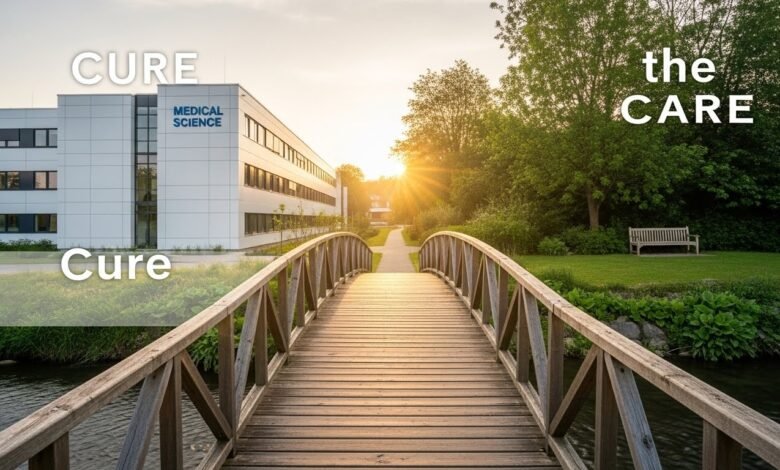
- In the world of modern medicine, we often focus intensely on the “Cure.” We look for the right pill, the most advanced surgery, or the quickest diagnostic test to eliminate a disease. While these clinical interventions are vital, they only represent one half of the journey. The other half—the one that ensures long-term success and quality of life—is “Care.” Understanding the bridge between cure and care is the key to a truly holistic recovery that treats the person, not just the pathology.
Holistic recovery is based on the idea that the body does not heal in isolation. Your mental state, your environment, your nutrition, and your social support system all influence how quickly and effectively you recover from an illness or injury. When we bridge these two concepts, we create a healthcare strategy that is both scientifically rigorous and deeply human.
Defining the Two Pillars of Health
To understand the bridge between cure and care, we must first define what each pillar brings to the table.
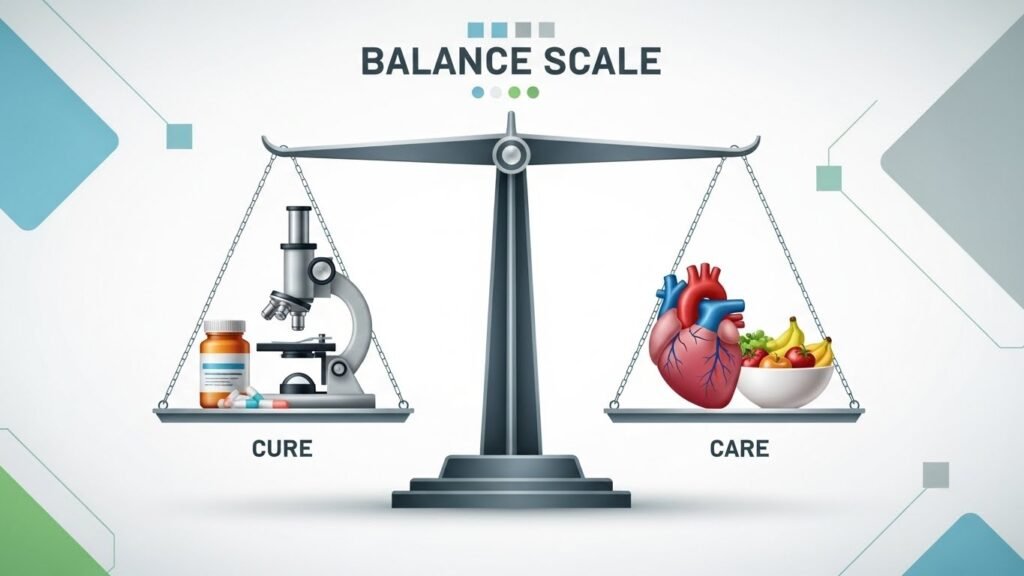
- The Cure: This is the clinical side. It involves medical technology, pharmaceuticals, and professional expertise. Its goal is to remove the threat, manage the symptoms, or repair the physical damage. It is often fast-paced and data-driven.
- The Care: This is the lifestyle and emotional side. It involves the daily habits, the home environment, mental health support, and the patience required for the body to knit itself back together. It is a slow, nurturing process that happens long after the hospital discharge.
Why the “Cure” Alone Isn’t Enough
Medical science can repair a bone or remove a tumor, but it cannot “prescribe” the will to get out of bed or the peace of mind needed to sleep through the night. Without the “Care” component, many patients find themselves in a cycle of relapse. For example, a heart patient may receive a successful stent (the Cure), but without a change in diet, stress management, and light exercise (the Care), the underlying cause of the heart disease remains unaddressed.
The bridge between cure and care ensures that a sustainable lifestyle supports the clinical success of a procedure. It moves the patient from being a passive recipient of treatment to an active participant in their own wellness.
Building the Bridge: Four Key Components
Creating a holistic recovery plan requires focusing on four specific areas where science and lifestyle meet.
1. The Physical Environment As we discussed in previous guides, your home is your primary recovery center. A clean, well-lit, and well-organized room for safety reduces physiological stress on your body. When the environment is optimized, the “Cure” can work more effectively because the body isn’t wasting energy fighting off environmental stressors like dust, noise, or the risk of falls.
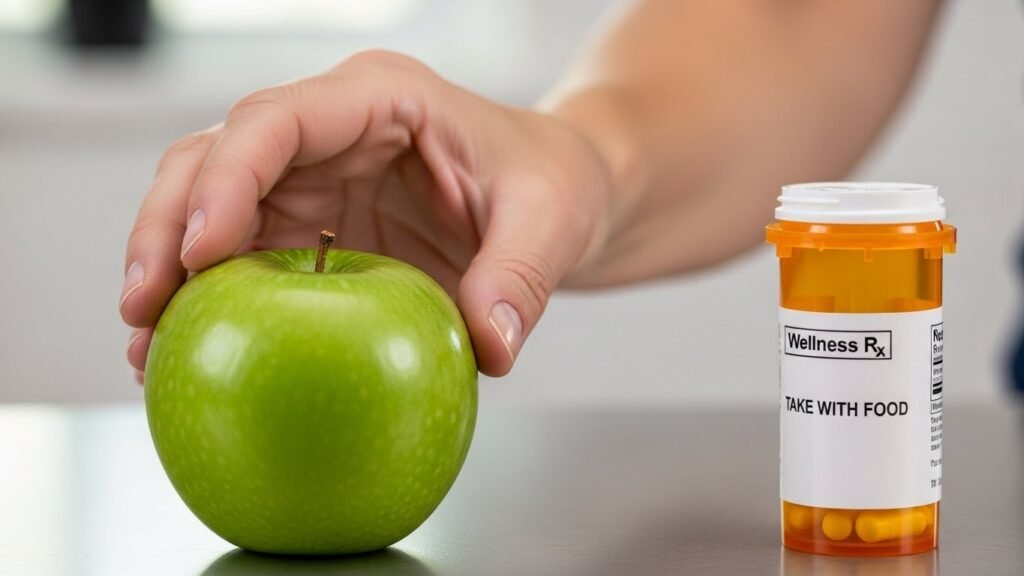
2. The Nutritional Foundation Food is the chemical bridge between the two worlds. The vitamins and proteins you consume are the raw materials that the medical “Cure” uses to rebuild your tissues. A well-nourished body has a stronger immune system, leading to fewer post-operative infections and a faster return to normal energy levels.
3. Emotional Resilience The mind and body are connected through a complex network of hormones and neurotransmitters. Chronic stress and anxiety can physically slow down wound healing. By incorporating “Care” practices like meditation, journaling, or counseling, you create the internal environment necessary for the clinical “Cure” to take hold.
4. Social Integration Human connection is a biological necessity for healing. Patients with strong social support recover faster than those who are isolated. The “Care” provided by a family member or a support group provides the emotional fuel needed to endure the difficult days of a long recovery.

The Role of Advocacy in the Bridge
Being your own advocate is how you ensure the bridge between cure and care remains strong. It means asking your doctor, “I know what medication I need (the Cure), but what should I be eating, and how can I manage my stress at home (the Care)?”
Advocacy ensures that your medical team sees you as a whole person rather than just a diagnosis. It allows for a customized recovery plan that takes into account your personal values, your home life, and your long-term goals.
Common Pitfalls: Breaking the Bridge
- Neglecting the “Care”: Rushing back to work or high-stress environments because the physical “Cure” is complete.
- Ignoring Medical Advice: Relying solely on “natural” care while ignoring the necessary clinical interventions prescribed by experts.
- Lack of Communication: Not telling your medical team about the vitamins or lifestyle changes you are making at home.

Moving Toward a Preventive Future
The ultimate goal of the bridge between cure and care is to move toward preventive health. When we value “Care” as much as “Cure,” we start making choices that prevent the need for drastic medical interventions in the first place. This includes regular exercise, balanced nutrition, and proactive mental health management.
Practical Steps to Create Your Bridge
- Ask for a Holistic Discharge Plan: Before leaving the hospital, ask for a plan that includes nutrition, activity levels, and mental health resources.
- Audit Your Home: Ensure your physical space supports rest and safety.
- Schedule “Check-Ins” With Yourself: Once a week, assess your mood and energy levels, not just your physical symptoms.
- Balance Your Team: Have a primary care doctor for the “Cure” and perhaps a nutritionist or therapist for the “Care.”
Conclusion: A Unified Path to Health
The most successful recoveries happen when we stop viewing medicine and wellness as opposing forces. The bridge between cure and care is where proper health resides. It is the path that respects the brilliance of modern science while honoring the ancient wisdom of nurturing the body and soul.
Whether you are recovering from a minor injury or managing a life-changing diagnosis, remember that you deserve both. You deserve the best “Cure” available and the most compassionate “Care” possible. By bridging these two worlds, you give yourself the best chance at a long, healthy, and vibrant life.

The Holistic Recovery Summary
- Respect the Science: Follow your medical prescriptions and surgical aftercare.
- Nurture the Body: Prioritize sleep, water, and whole foods.
- Calm the Mind: Use breathing or meditation to manage the stress of recovery.
- Stay Connected: Lean on your community for emotional strength.